
What Homeowners Should Know About Propane Summer Heat
Propane is a colorless, odorless fuel that serves an important role in everyday life, providing energy for home heating, cooking, water heating, and outdoor activities like grilling and camping. Its dependable performance and flexibility have made it a widely used energy source for homeowners and businesses alike. However, environmental conditions, including elevated summer temperatures, can affect how propane is stored and how propane systems perform.
In this article, Broco Energy, a trusted propane delivery service that serves homeowners and businesses throughout Massachusetts and New Hampshire, explores the many uses of propane and explains how high summer temperatures can affect this versatile fuel. We will examine how warm weather affects propane storage, system pressure, fuel stability, and overall performance.
Understanding propane summer heat is important for propane users, as it helps identify potential concerns, improve safety practices, and maintain the reliable performance of this valuable energy source throughout the warmer months.
Propane Characteristics & Safety Considerations
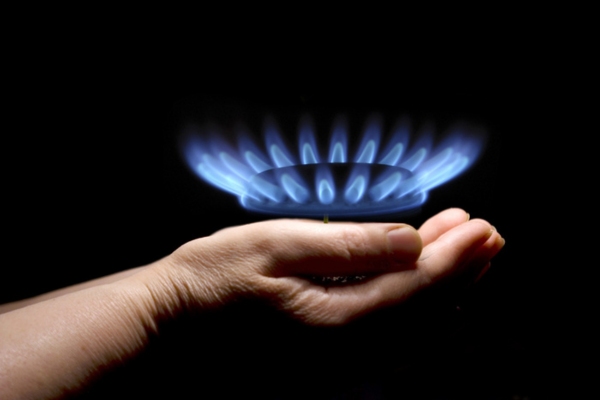
Propane is a liquefied petroleum gas (LPG) with the chemical formula C3H8 that is widely used for heating, cooking, water heating, and other residential applications. This efficient, clean-burning fuel delivers reliable energy output and enables precise temperature control, making it a preferred choice for many homeowners.
Since propane is combustible, proper handling and storage remain essential for safe operation. Regular tank inspections, adequate ventilation, and routine system maintenance help reduce safety hazards and support dependable performance.
Familiarity with recommended propane safety practices is important for minimizing potential risks and ensuring the safe, efficient use of propane throughout the year.
How High Temperatures Affect Propane Performance
Elevated summer temperatures can have a major effect on propane behavior because the fuel responds directly to temperature changes. Stored as a liquid under pressure inside tanks, propane has a boiling point of roughly -44 degrees Fahrenheit (-42 degrees Celsius).
As surrounding temperatures rise during the summer months, the liquid propane in a tank begins to vaporize more rapidly and expand.
As propane molecules convert to vapor and expand, tank pressure increases, creating a greater risk of over-pressurization that may contribute to leaks or equipment damage. Extended periods of extreme heat can intensify this concern, particularly when tanks are exposed to direct sunlight or located in poorly ventilated areas, causing pressure to build more quickly.
Preventive measures such as routine inspections, adequate airflow, and placing tanks in shaded locations help reduce these risks, thereby supporting safe propane storage and reliable operation even during prolonged hot weather.
Propane Tank Safety Tips for Hot Weather
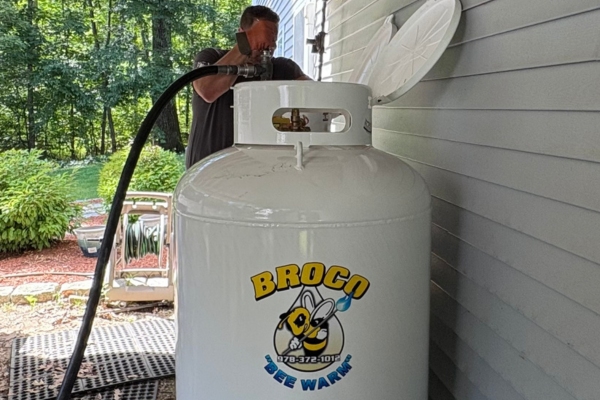
Proper ventilation and temperature management are important for propane tank safety, helping dissipate heat and reduce excessive pressure buildup.
Propane tanks should be stored in well-ventilated locations away from direct sunlight and other heat sources, particularly during periods of hot weather. Regular inspections for signs of wear or damage, along with periodic temperature checks, are also recommended.
Any leaks, unusual odors, or signs of trouble should be addressed immediately by following proper safety procedures. By taking these precautions, homeowners can help minimize the risks associated with propane storage during high summer temperatures.
Propane Tank Maintenance & Inspection Best Practices
Routine maintenance and inspections help keep propane tanks operating safely and efficiently. Consider the following recommendations:
- Inspect Tanks Regularly: Schedule routine inspections of propane tanks and related equipment to verify safe, reliable operation.
- Look for Corrosion and Damage: Check for rust, leaks, dents, or other signs of wear that could compromise tank integrity and pose safety risks.
- Follow a Maintenance Schedule: Include pressure checks, valve inspections, and safety device testing to help ensure proper system performance.
- Store Tanks Properly: Adhere to recommended storage and handling practices to reduce the risk of leaks and other propane-related hazards.
- Work with Broco Energy: Professional inspections and service from Broco Energy help ensure compliance with industry standards while supporting the safety, reliability, and longevity of your propane system.
Protecting Your Propane System During Summer
Homeowners can take several practical steps to help protect propane tanks and systems during periods of hot weather.
- Provide Shade: Help limit heat exposure by placing the tank in a shaded area. Options may include an awning, a nonflammable canopy, or landscaping that provides natural cover while maintaining safe clearance distances.
- Check for Signs of Damage: Inspect the tank for rust, discoloration, dents, or other visible damage. Confirm that the pressure relief valve remains clean and functioning properly. If you suspect a problem, contact a propane professional.
- Take a Preventive Approach: Incorporating these simple precautions into your summer maintenance routine can help reduce the risk of excessive pressure buildup, leaks, and other heat-related propane safety concerns.
Preparing Your Propane Tank for Warmer Weather
Preparing your propane tank for the transition into warmer weather involves a few essential maintenance tasks. Inspecting and maintaining your tank before summer arrives helps support safe, efficient, and dependable operation. Consider the following seasonal preparation steps:
- Inspect the Tank and Connections: Examine the tank, valves, fittings, and seals for signs of rust, corrosion, leaks, or damage. Addressing issues early can help prevent safety concerns and pressure-related problems.
- Remove Debris and Maintain Airflow: Clear away leaves, dirt, grass, and other debris surrounding the tank. Proper ventilation helps reduce heat buildup and supports safer tank operation during hot weather.
- Verify Gauge and Valve Performance: Higher temperatures can increase propane pressure. Check that pressure gauges and safety valves are functioning correctly, and arrange professional service if you notice any irregularities.
By taking these preventive measures, you can prepare your propane system for warmer weather with greater confidence. Keeping your propane tank clean, properly maintained, and in good condition helps promote safe operation, reliable performance, and efficient fuel use throughout the summer months.
Environmental Responsibility & Regulatory Compliance
Following propane storage regulations and industry best practices is essential for reducing heat-related risks and maintaining safe operation during the summer. Compliance supports environmental protection while encouraging the responsible use of propane resources.
Ongoing improvements in tank technology and cleaner propane solutions continue to enhance safety, efficiency, and sustainability across the industry.
By adopting these advancements and adhering to established regulations, propane users can help minimize environmental impact while supporting the safe and responsible use of this valuable energy source.
FAQs: Propane Summer Heat

How Does Summer Heat Affect Propane in Storage Tanks?
High summer temperatures can cause propane stored in tanks to expand and vaporize more rapidly. Since propane is stored as a liquid under pressure, rising temperatures increase the rate at which it converts into vapor. As vaporization increases, pressure inside the tank also rises. If temperatures become extreme, pressure levels can approach unsafe limits, increasing the risk of over-pressurization and potential equipment issues. For this reason, monitoring tank conditions and maintaining proper storage practices are important for ensuring the safe and reliable use of propane during hot weather.
How Can Homeowners Protect Propane Tanks During Hot Weather?
Focus on ventilation and temperature management to help protect your propane tank during hot weather. Maintain proper airflow around the tank to reduce pressure buildup and limit exposure to direct sunlight. Conduct regular inspections for signs of damage, and make sure the pressure relief valve is functioning properly. Following manufacturer recommendations helps promote safety and extend the life of the tank.
What Are the Warning Signs of a Propane Leak or Excessive Tank Pressure?
Recognizing signs of a propane leak or overpressure condition is important for safety. Common warning signs include hissing sounds near the tank, the smell of gas, or dead vegetation surrounding the storage area. Excessive pressure may also cause bulging or deformation of the tank walls. If you suspect a leak or overpressure issue, evacuate the area as soon as possible and contact emergency services. Routine tank inspections help identify potential problems early and reduce safety risks.
What Maintenance Tasks Are Recommended for Propane Tanks During Hot Weather?
During hot weather, it is important to inspect the tank for corrosion, dents, or other damage that could affect its structural integrity. It is also essential to examine safety valves and pressure relief devices to verify they are functioning properly. Monitoring tank pressure levels and arranging professional inspections or maintenance are also recommended. By consistently performing these maintenance tasks, homeowners can help reduce the risks associated with propane tanks during periods of high temperatures.
Can Propane Leaks During Summer Create Environmental Concerns?
Yes. Propane leaks during periods of high summer temperatures can present environmental concerns. When released into the atmosphere, propane contributes to air pollution and can affect environmental quality. Leaks may also contaminate nearby soil or water sources, posing risks to local ecosystems and public health.
Conclusion
High summer temperatures can affect propane storage and tank performance, increasing the potential for elevated pressure levels and propane leaks. Reducing these risks requires proactive measures such as maintaining proper ventilation, conducting routine inspections, and following recommended safety practices.
By emphasizing safety and preventive maintenance, homeowners can help ensure propane is stored and used safely throughout the warmer months. Broco Energy remains committed to delivering dependable propane services backed by safety, reliability, and customer-focused care, while supporting the well-being of our customers and the environment.
Contact Broco Energy for Dependable Propane Delivery
Broco Energy provides reliable propane delivery services to homes and businesses throughout Massachusetts and New Hampshire. We deliver high-quality propane promptly and efficiently, backed by competitive pricing, transparent service, and a commitment to your comfort and convenience.
Beyond propane delivery, Broco Energy offers comprehensive HVAC services, including system installations, routine maintenance, and emergency repairs, providing complete home comfort solutions from a single trusted provider.
When you choose Broco Energy, you partner with a company known for dependable service, professionalism, and customer-focused care. Our team is focused on keeping your property comfortable year-round with reliable energy solutions you can trust. Contact us today to schedule service or learn more.
You can click here to contact us now or call us at (781) 246-1130 to find out more! Click the link to view our service area.

Related Articles: