
Propane Tips: Everything Beginners Need To Know
Propane provides a reliable, energy-efficient solution for residential and commercial needs, from space heating and cooking to water heating, backup generators, and household appliances. However, first-time propane users may have questions about proper handling, everyday applications, and safety precautions. Learning the basics can help simplify propane management.
This article covers essential propane tips for beginners, exploring common applications, important advantages, safe handling practices, and practical ways to maximize efficiency while using propane responsibly.
Essential Propane Tips for First-Time Users
Understanding propane’s properties, applications, and safety requirements can help beginners use this versatile fuel efficiently and responsibly.
Understanding Propane and How It Works
Propane is a hydrocarbon gas consisting of carbon and hydrogen. Found in natural gas and petroleum deposits, it is recovered during natural gas processing and crude oil refining. Its relatively low carbon content supports efficient combustion and reduces its environmental impact compared to certain traditional fuels.
Compared to gasoline, propane generally produces fewer air pollutants and greenhouse gas emissions during combustion. Its cleaner-burning properties and versatility make it suitable for heating, cooking, and other applications. Once processed, propane is stored and transported in liquid form, allowing convenient distribution for residential, commercial, and industrial needs.
Common Propane Applications in Massachusetts and New Hampshire
Propane is a practical, energy-efficient fuel for residential, commercial, industrial, and agricultural needs. Its portability, affordability, and cleaner combustion make it a dependable choice for various applications.
- Residential Heating: Propane furnaces deliver consistent, energy-efficient indoor comfort.
- Cooking Appliances: Propane ranges and ovens provide steady heat and accurate temperature adjustments.
- Hot Water Supply: Propane water heaters ensure dependable hot water for residential and commercial use.
- Laundry Equipment: Propane clothes dryers offer efficient drying for households and businesses.
- Emergency Power: Propane-powered generators maintain electricity during unexpected outages.
- Business Heating: Propane warms commercial buildings, warehouses, offices, and workshops.
- Industrial Machinery: Propane fuels forklifts and various types of industrial equipment.
- Farming Applications: Agricultural operations rely on propane for greenhouse heating, crop drying, and other essential tasks.
Propane’s wide range of applications makes it a valuable fuel for many industries, and its cleaner-burning properties help reduce certain emissions compared to more carbon-intensive energy sources.
Essential Propane Safety Guidelines in Massachusetts and New Hampshire
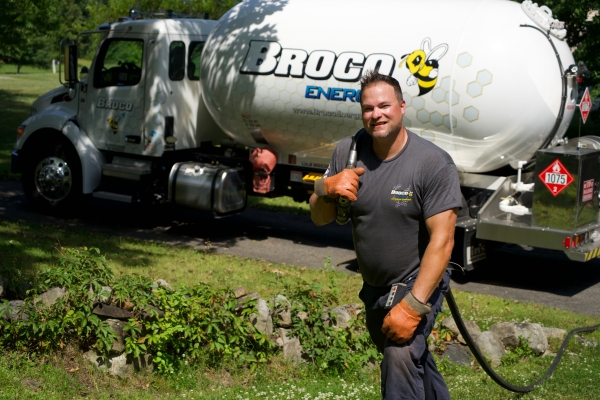
Safe propane use begins with proper storage, handling, and regular equipment maintenance. Store portable propane cylinders outdoors in well-ventilated locations, away from heat and ignition sources. Check tanks for visible damage and ensure fittings and connections are secure.
Recognize propane’s distinctive rotten-egg odor as a potential warning sign of a gas leak. Consider installing propane gas detectors for added safety, and schedule regular inspections by qualified professionals. If a leak is suspected, leave the area immediately, avoid operating electrical devices or creating sparks, and call emergency services from a safe distance.
Professional Propane System Installation and Upkeep
Proper propane system installation requires careful planning and compliance with established safety requirements. Qualified professionals must determine the right tank size and configuration before installing equipment in accordance with local regulations and safety codes. Correct installation supports dependable operation, optimal efficiency, and long-term system performance.
Routine maintenance and professional inspections are equally important for keeping propane systems safe and efficient. Scheduled servicing helps extend equipment lifespan, detect developing issues, and prevent costly complications. With consistent professional care, propane systems can deliver reliable performance while maintaining essential safety standards for residential and commercial users.
Key Advantages of Choosing Propane Over Other Fuels
Propane provides several practical benefits compared to electricity, natural gas, and alternative energy sources:
- Affordable: Propane may reduce heating, cooking, and water heating expenses compared to electricity, depending on regional energy rates.
- Energy-Efficient: Its high energy output and efficient appliances support dependable heating and equipment performance.
- Lower Emissions: Propane burns cleaner than certain fossil fuels, helping reduce carbon emissions and environmental impact.
- Dependable Supply: On-site fuel storage supports uninterrupted access in areas without natural gas infrastructure and provides backup energy during power outages.
- Multiple Applications: Propane powers furnaces, water heaters, cooking equipment, standby generators, and various commercial appliances.
Switching to propane may also improve heating and cooking performance while reducing energy expenses. However, actual savings depend on consumption patterns, appliance efficiency, and local fuel costs.
How to Select a Reliable Propane Supplier in Massachusetts and New Hampshire
Finding a dependable propane company requires evaluating several important factors. Consider each supplier’s delivery reliability, available services, and scheduling flexibility. Customer support, transparent pricing, and adherence to safety standards matter just as much. Reviewing these qualities helps ensure your chosen provider can accommodate your fuel requirements while delivering consistent, professional service.
Broco Energy is committed to providing reliable propane delivery and exceptional customer care. We offer flexible delivery arrangements and competitive pricing to meet different fuel needs and household budgets.
Frequently Asked Questions About Propane Tips

Is Propane Safe for Residential Use?
Yes, propane is safe for household use when handled properly. This non-toxic fuel doesn’t contaminate soil or groundwater, and its added odorant helps users detect potential gas leaks. Professional installation, regular equipment inspections, and proper maintenance are essential for safe operation. Following manufacturer recommendations and established safety guidelines further reduces risks and helps prevent accidents.
What Is the Safest Way to Store Propane?
Propane tanks should always be stored outdoors in well-ventilated locations to prevent gas accumulation. Position cylinders upright on stable, noncombustible surfaces, such as concrete, away from open flames, generators, and other ignition sources. Avoid excessive heat, and when practical, protect tanks from prolonged direct sunlight, as high temperatures can increase internal pressure. Inspect tanks regularly for leaks, corrosion, or physical damage to ensure safe storage.
When Should I Schedule a Propane Tank Refill?
Refill frequency depends on how much propane you consume. Check your tank gauge regularly and schedule delivery when the level reaches 20% to 30%. This helps prevent unexpected shortages, particularly during winter when fuel demand increases. Routine tank monitoring or enrolling in automatic propane delivery can help maintain a dependable fuel supply.
Is It Possible to Convert My Existing Heating System to Propane?
Yes, transitioning from another fuel source to propane can improve energy efficiency and potentially reduce operating costs. Consult a qualified HVAC technician to evaluate your equipment and determine whether you need a conversion or replacement. A professional can recommend suitable upgrades and explain how propane can meet your household’s energy requirements.
How Energy-Efficient Are Propane Heating Systems?
Propane heating systems offer excellent energy efficiency, particularly when paired with modern, high-efficiency equipment. They provide powerful heat output and warm indoor spaces quickly, helping homeowners maintain comfortable temperatures. Efficient propane furnaces can also minimize fuel waste and reduce overall energy consumption. These advantages may lead to lower heating expenses, depending on equipment efficiency, fuel prices, and household heating needs.
Conclusion
Propane is a versatile, energy-efficient, and cleaner-burning fuel suitable for residential and commercial applications. Understanding its uses, benefits, safety requirements, and maintenance needs helps ensure reliable performance and responsible fuel management. Choosing an experienced propane supplier is equally important for maintaining a consistent supply and receiving dependable service.
Broco Energy provides reliable propane delivery solutions focused on safety, affordability, and customer satisfaction. Contact Broco Energy today to learn more about our services and find the right propane delivery options for your needs.
Contact Broco Energy for Trusted Propane Delivery in Massachusetts and New Hampshire
Broco Energy provides reliable propane delivery to homeowners and businesses throughout Massachusetts and New Hampshire, helping customers maintain consistent comfort and dependable energy supplies year-round.
Our team prioritizes prompt deliveries, high-quality propane, and competitive pricing. With transparent communication and attentive customer support, we make managing your propane needs convenient and stress-free.
In addition to propane delivery, Broco Energy offers comprehensive HVAC services, including professional installations, preventive maintenance, and emergency repairs. Our experienced technicians provide dependable solutions to keep your heating and cooling systems operating efficiently.
Choosing Broco Energy means partnering with a trusted local provider committed to reliable service, safety, and customer satisfaction. Whether you need a propane refill or professional HVAC assistance, our team is ready to help. Contact Broco Energy today to schedule your next delivery or HVAC service!
You can click here to contact us now or call us at (781) 246-1130 to find out more! Click the link to view our service area.

Related Articles: