
What Causes Water In An Oil Tank?
Water in oil tank can lead to costly damage and affect the performance of your heating system. It can enter through condensation, damaged seals or fittings, loose fill and vent caps, exterior leaks, or moisture introduced during fuel delivery. Once inside, water can contribute to corrosion, sludge formation, fuel contamination, and other heating system problems.
This article explains the common sources of water contamination in heating oil tanks, the damage excess moisture can cause, and effective ways to safeguard fuel quality. Preventive care can help protect your oil tank and heating system while supporting clean, dependable, and efficient operation year-round.
How Does Water Get Into A Heating Oil Tank?
Water can enter a heating oil tank through several pathways, making it important to understand where moisture comes from before problems develop. Identifying these common sources can help prevent contamination, protect the tank from damage, and maintain dependable heating system performance.
Outdoor Oil Tank Condensation

Condensation can develop inside an outdoor heating oil tank as changing temperatures cause airborne moisture above the fuel to settle on cooler interior walls. Partially filled tanks face a greater risk because additional space allows more humid air to collect above the heating oil.
Limited ventilation around the tank can further encourage moisture accumulation. As condensation repeatedly forms, water can gradually build up inside the tank, increasing the potential for fuel contamination, internal corrosion, and declining heating system efficiency.
Damaged Oil Storage Tank: Missing or Faulty Filler & Vent Caps
Faulty filler cap seals and vent caps can create openings that allow moisture into an oil storage tank. Worn gaskets around the filler opening may let rainwater and snowmelt seep inside, while missing or improperly seated caps on fill ports and breathing vents can allow humid air and water to enter.
Zinc flappers provide another layer of protection against moisture. When they become clogged, corroded, or damaged, they may no longer seal properly, increasing the risk of water contamination and long-term tank deterioration. Regular inspections of filler caps, vent caps, gaskets, breathers, and flappers can help identify these problems early and protect the tank.
Heating Oil Tank Cracks and Weld Damage
Corrosion can gradually weaken a heating oil tank, especially when rust develops beneath paint or insulation. Over time, this deterioration may create pinholes or cracks that allow moisture to enter and contaminate the fuel. Weld seams are also vulnerable, as stress at factory joints or previous repair welds can eventually cause cracking and leaks.
Accidental impacts and shifting foundations can further damage tank walls or existing weak points. These cracks, weld failures, and corrosion-related defects compromise the tank’s structural integrity, increasing the risk of water contamination, oil leaks, and costly repairs.
Outdoor Water Intrusion Into Heating Oil Storage Tanks

Outside water can enter a heating oil tank through several pathways and contaminate the stored fuel. Heavy rainfall or basement flooding may surround the tank, allowing water to penetrate through damaged seals, loose fittings, or other vulnerable openings.
Underground tanks face additional exposure when rising water tables allow groundwater to enter through deteriorated or improperly sealed areas. Poor site drainage can increase this risk, especially when inadequate grading or ineffective gutters cause water to collect around the tank. Maintaining proper drainage helps limit moisture intrusion and protect heating oil quality.
Climate and Property Conditions That Affect Oil Tanks
Environmental and site conditions can significantly affect water infiltration into oil tanks. High-humidity climates, including coastal and tropical areas, increase moisture exposure and condensation. Tanks near humid indoor spaces, such as laundry rooms or bathrooms, may face similar risks.
Seasonal temperature swings can further increase condensation as rapid shifts between warm and cold conditions cause airborne moisture to collect on tank surfaces. Recognizing these climate and indoor humidity factors can help homeowners limit moisture buildup and protect fuel quality.
How Water Contamination Affects Your Heating Oil Tank
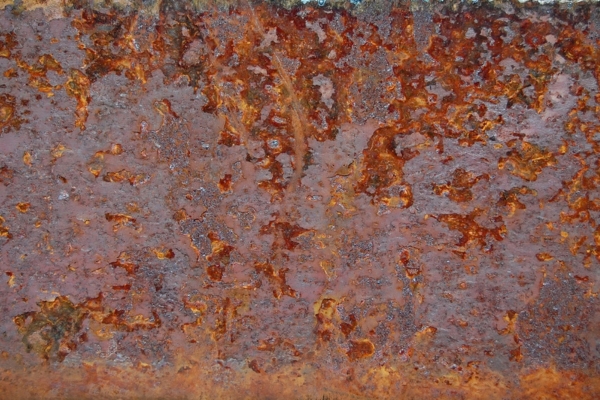
Water inside a heating oil tank can damage the tank, degrade fuel quality, and interfere with heating equipment performance. Common consequences include:
- Sludge and Microbial Buildup: Water settling at the tank bottom creates conditions where microorganisms, often called the “diesel bug,” can grow. This microbial activity contributes to sludge formation, which may clog filters and restrict fuel flow.
- Internal Corrosion and Tank Pitting: Moisture trapped inside the tank accelerates rust and corrosion along interior surfaces. Over time, pitting can weaken the tank walls, increase the likelihood of leaks, and reduce the tank’s long-term structural reliability.
- Heating System Performance Problems: Contaminated fuel can contribute to clogged filters, burner misfires, and reduced heating efficiency. These problems can disrupt reliable operation and increase the need for maintenance and repairs.
Preventing Water Contamination With Proper Oil Tank Care
Proactive oil tank maintenance can limit water contamination, protect fuel quality, and support dependable heating system operation. Important preventive measures include:
- Maintain Adequate Heating Oil Levels: Keeping the tank above 80% capacity reduces empty headspace where humid air can collect and condensation can develop. Less moisture inside the tank helps lower the risk of water accumulation.
- Use Effective Breathers and Filtration: Desiccant breathers and water-separating filters installed on appropriate fill and fuel lines can help control moisture and prevent water from reaching the heating system. These components support cleaner fuel and more reliable operation.
- Schedule Professional Tank Inspections: Routine inspections allow professionals to evaluate seals, vents, and the tank’s structural condition. Identifying deterioration or moisture-entry points early can help prevent contamination and more extensive tank damage.
Water In Oil Tank: FAQs

How Can Hidden Water Be Detected in a Buried Oil Tank?
Professional technicians can use specialized methods, including water-detecting paste applied to dipsticks and electronic moisture probes, to identify water without excavating the tank. These tools help locate water collected at the bottom, allowing you to address contamination before it reaches the burner.
Can Water in My Oil Tank Damage My Heating Equipment?
Yes. Even small amounts of water can encourage microbial growth, commonly called the “diesel bug,” resulting in sludge that can clog filters and fuel-system components. Moisture may also corrode pump seals and burner nozzles, contributing to misfires, inefficient combustion, costly repairs, and eventual equipment failure.
What Are the Signs of Fuel Contamination From Water in My Tank?
Water contamination can cause several noticeable changes in your heating oil and system performance. Fuel samples may appear cloudy or separated into visible layers, sometimes with sediment at the bottom. Filters may also clog more frequently as water contributes to debris and microbial sludge buildup.
Burner performance can provide additional warning signs. A sooty or yellow-tinged flame may indicate poor combustion, while hard starts or irregular burner cycling can occur when contaminated fuel disrupts steady fuel delivery.
What Maintenance Tasks Can Improve My Oil Tank’s Resistance to Moisture?
Keeping the oil tank well filled reduces the airspace where condensation can form. Proper ventilation and insulation can also limit moisture buildup and temperature swings. Desiccant breathers and water-blocking filters provide additional protection by capturing moisture before it reaches the tank or fuel line. When appropriate, manufacturer-approved fuel additives can help manage water and microbial growth as part of a broader moisture-control strategy.
Are Modern Oil Tanks Better Protected Against Water Intrusion Than Older Tanks?
Yes. Newer oil tanks often incorporate improved construction, corrosion-resistant interior coatings, and better-designed vent caps with moisture barriers. These features can limit seepage and condensation compared with older steel or uncoated tanks, helping reduce the likelihood of water entering and accumulating inside the tank.
Conclusion
Water can enter a heating oil tank through condensation, damaged caps or seals, structural deterioration, and unfavorable site conditions. Once moisture accumulates, it can contaminate heating oil, promote corrosion and sludge buildup, and interfere with heating system performance. Routine inspections and preventive maintenance help control these risks, protect fuel quality, and extend the reliable service life of your oil tank.
If you are concerned about water in your heating oil tank, contact Broco Energy for dependable service throughout Massachusetts and New Hampshire. Our experienced team can help protect your fuel supply and keep your heating system operating reliably and efficiently.
Contact Broco Energy for Reliable Heating Oil Delivery in Massachusetts and New Hampshire
Broco Energy provides dependable heating oil delivery for homes and businesses throughout Massachusetts and New Hampshire. Our team supplies high-quality heating oil with timely service, clear communication, and competitive pricing, helping customers maintain reliable indoor comfort throughout the heating season.
We also understand that clean fuel and a well-maintained oil tank are essential for efficient heating system performance. Consistent fuel delivery helps homeowners maintain appropriate tank levels, while professional attention to heating equipment supports reliable operation and reduces the risk of unexpected problems.
With a strong focus on responsive service, dependable fuel supply, and customer satisfaction, Broco Energy is a trusted resource for heating needs across the region. Contact Broco Energy today to schedule heating oil delivery and keep your home or business prepared for colder weather.
You can click here to contact us now or call us at (781) 246 1130 to find out more! Click the link to view our service area.

Related Articles: