
Why Propane Is A Practical Home Energy Source
A growing number of homeowners are turning to propane for their energy needs because it offers dependable performance, strong efficiency, versatility, and economical operation from a single fuel source. Propane energy can power important household equipment and appliances, including space heating, water heaters, cooking appliances, and standby generators, providing reliable energy year-round. Its clean-burning characteristics and convenient on-site storage also make propane an attractive choice for households seeking dependable energy access and greater flexibility.
This article examines why propane is gaining popularity as a residential energy source, focusing on its efficiency, environmental benefits, versatility, safety, dependable performance, and potential cost savings.
Why Propane Is Gaining Popularity for Residential Energy
Homeowners are increasingly seeking energy solutions that deliver reliable performance while supporting efficiency and manageable long-term costs. Propane meets these needs with its wide range of household applications and dependable on-site fuel supply.
Energy-Efficient Propane Performance
Propane’s high energy density enables it to produce substantial heat from a relatively modest amount of fuel. High-efficiency propane furnaces, boilers, water heaters, and other appliances can deliver reliable performance while helping homeowners manage energy use and ongoing operating costs.
Propane equipment is also known for responsive operation. Furnaces can maintain steady warmth during cold conditions, while propane water heaters can provide quick hot-water recovery for households with higher demand. Actual efficiency and operating expenses vary based on equipment, household usage, climate conditions, and local fuel prices.
Flexible Energy for Household Needs
One of propane’s key benefits is its flexibility. A single energy source can power a wide variety of household equipment, including:
- Water heaters
- Home heating systems
- Clothes dryers
- Cooking appliances
- Pool and spa heaters
- Fireplaces
- Outdoor grills and kitchens
- Standby generators
Homeowners do not need to rely on propane for every application to experience its benefits. Propane can function as a primary home energy source or complement electricity and other fuels for specific appliances, providing greater flexibility when planning or upgrading residential energy systems.
Dependable On-Site Propane Storage in MA and NH
Propane is kept directly on the property, providing homeowners with an independent energy supply that does not depend on natural gas pipelines. This makes propane especially practical for rural communities, properties without natural gas infrastructure, and households seeking greater control over their available fuel supply.
When stored correctly, propane does not deteriorate over time, making it suitable for frequently used appliances and occasional-use equipment, including backup generators. A properly sized tank can maintain a substantial fuel reserve while limiting the frequency of required deliveries.
Tank capacity should account for household propane usage, the number of connected appliances, available property space, and anticipated delivery frequency. A propane supplier can assess these factors and recommend storage capacity that supports reliable year-round energy needs.
A Cleaner-Burning Fuel for Homes
Propane is a clean-burning fossil fuel that typically releases fewer air pollutants during combustion than higher-carbon energy sources such as coal. Modern high-efficiency propane equipment can also use fuel effectively, helping homeowners meet household energy demands while considering their environmental impact.
Propane is non-toxic and is less likely to contaminate soil or groundwater than liquid fuels. When released, propane generally vaporizes instead of collecting in the ground. Proper tank installation, safe storage, and responsible handling remain essential to protect people and property.
Propane Safety and Reliable Home Energy
Residential propane systems include built-in safeguards that promote secure fuel storage and dependable operation. Since propane has no natural odor, a distinctive odorant is added so potential leaks can be detected more easily.
Proper installation and regular professional maintenance are essential for safe propane use. Tanks, regulators, connections, fuel lines, and propane appliances should receive appropriate inspections and service to detect deterioration, damage, or operating problems.
If you smell propane, leave the area immediately and avoid flames, electrical switches, or anything else that could create an ignition source. Contact your propane supplier or emergency services from a safe location, and always leave propane system repairs to qualified professionals.
Cost-Effective Residential Energy
Propane can provide competitive energy costs, especially when used with high-efficiency equipment. The overall cost of propane depends on several considerations, including:
- Appliance efficiency
- Local propane pricing
- Climate and heating requirements
- Household fuel usage
- Delivery arrangements
- Propane storage capacity
- Equipment maintenance needs
Using propane across multiple household applications can also streamline energy management by allowing space heating, water heating, cooking, and other appliances to operate from one on-site fuel supply.
Homeowners should evaluate overall operating expenses instead of focusing solely on fuel prices. Household consumption, equipment efficiency, maintenance needs, and delivery arrangements can each affect the long-term cost of relying on propane.
Flexible Propane Delivery in Massachusetts and New Hampshire
Residential propane deliveries can be scheduled based on household fuel use and individual service preferences. Depending on the provider, common delivery options include:
- Will-Call Delivery: Homeowners track their propane tank level and contact the supplier when they are ready to order more fuel.
- Automatic Delivery: The propane provider monitors estimated household usage and schedules deliveries before the tank level drops too far.
Automatic delivery minimizes the need for frequent tank monitoring, making it convenient for households that prefer less involvement in scheduling. Will-call delivery provides more control over ordering and may work well for homeowners who regularly monitor their propane consumption.
Selecting the right propane tank capacity can also limit delivery frequency while maintaining an adequate fuel reserve. Homeowners should account for normal consumption, seasonal usage patterns, and preferred delivery method when choosing their propane service plan.
FAQs About Propane Energy

What Does It Cost to Set Up Propane at Home?
Upfront costs may cover propane tank rental or purchase, regulators, fuel lines, property preparation, and appliance installation. Pricing varies based on tank capacity, site conditions, current infrastructure, and the number of propane appliances installed. Homeowners should weigh these initial costs against anticipated equipment efficiency and long-term energy expenses.
What Is the Typical Service Life of a Propane Tank?
With proper maintenance, a propane tank can provide reliable service for decades. Its lifespan depends on the tank type, installation quality, environmental exposure, maintenance history, and overall condition. Routine professional inspections can detect corrosion, deterioration, or damage that may affect its continued safe use.
How Frequently Do Propane Appliances Need Professional Service?
Maintenance schedules vary by appliance and manufacturer recommendations, but many propane heating systems benefit from yearly professional service. Regular maintenance supports efficient performance, confirms safe operation, and helps identify developing equipment issues before they become more extensive repairs.
What Can Homeowners Expect During a Propane Delivery?
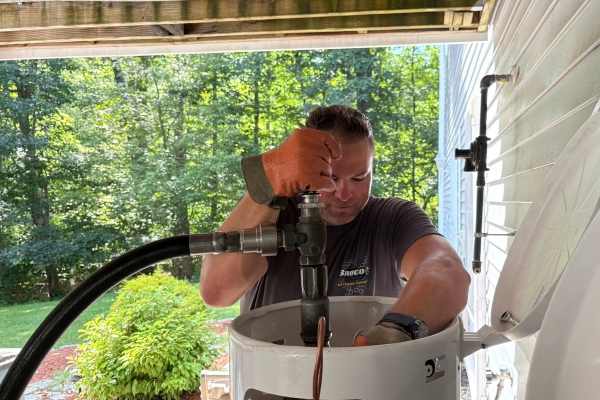
During delivery, a trained professional connects a hose to the propane tank and adds fuel following established safety procedures. Specific steps and any additional inspections or checks may differ depending on the propane provider, tank configuration, and conditions at the time of delivery.
What Factors Affect the Best Location for a Propane Tank?
Propane tank placement should consider required safety clearances, applicable local regulations, delivery accessibility, underground utilities, landscaping, and planned construction. A qualified propane provider can assess the property and recommend an appropriate location that allows safe installation and convenient access for future fuel deliveries.
Conclusion
Propane is an attractive residential energy option because it combines efficient performance, versatility, dependable on-site storage, and flexible delivery. From space heating and hot water to cooking and backup power, propane can support many household energy needs while giving homeowners greater control and energy independence.
Selecting the right tank size, propane equipment, and delivery plan can help homeowners get the most from these benefits. A reliable propane provider can evaluate household fuel requirements and help maintain a steady propane supply throughout the year.
Contact Broco Energy for Dependable Propane Delivery in Massachusetts and New Hampshire
Broco Energy provides reliable propane delivery to homes and businesses throughout Massachusetts and New Hampshire. We focus on supplying high-quality propane promptly and efficiently at competitive rates, making it easier to maintain a dependable fuel supply throughout the year.
Our flexible delivery schedules and financing options can be tailored to fit your household or business needs. With responsive service and a strong commitment to customer satisfaction, you can count on our team for dependable propane delivery.
Beyond propane delivery, Broco Energy offers comprehensive HVAC services to support indoor comfort, air quality, and energy efficiency. Our experienced technicians provide heating and cooling tune-ups, repairs, and professional installations. Contact Broco Energy today to learn more about our propane delivery and HVAC services.
You can click here to contact us now or call us at (781) 246-1130 to find out more! Click the link to view our service area.

Related Articles: